
Today, Thomas Myddelton (c1550-1631) is pretty much forgotten in favour of his younger brother Hugh of New River fame. However, Thomas was pretty important and successful in his own right: knighted by James I, he became Lord Mayor of London in 1613 and an MP for the city in 1624.
Thomas was originally apprenticed as a grocer but became a wealthy merchant as well as an influential alderman. He traded in sugar and built a refinery in Mincing Lane, was one of the founders of the East India Company and had invested in Drake's and Raleigh's privateering expeditions (many of these activities we would consider ethically dubious today, but were a good way to gain money and influence then). Much of his investment would have been funded by his position as surveyor of the customs and excise: it was accepted that monies collected in this post could be used for private speculation until they were due to be handed to the exchequer.

Myddelton divided his time between London and Wales. He purchased Chirk Castle in Denbighshire for £4,800 in 1595 and converted it from a mediaeval fortress to a comfortable Tudor home. Later, he gave it to his son as a wedding present. Other contacts with his home country included the provisions of loans to hundreds of fellow Welsh people. He also funded the publication of religious books in Welsh, including the first portable bible.
Image: Chirk Castle by Prichardson on wikipedia.
Thomas was originally apprenticed as a grocer but became a wealthy merchant as well as an influential alderman. He traded in sugar and built a refinery in Mincing Lane, was one of the founders of the East India Company and had invested in Drake's and Raleigh's privateering expeditions (many of these activities we would consider ethically dubious today, but were a good way to gain money and influence then). Much of his investment would have been funded by his position as surveyor of the customs and excise: it was accepted that monies collected in this post could be used for private speculation until they were due to be handed to the exchequer.
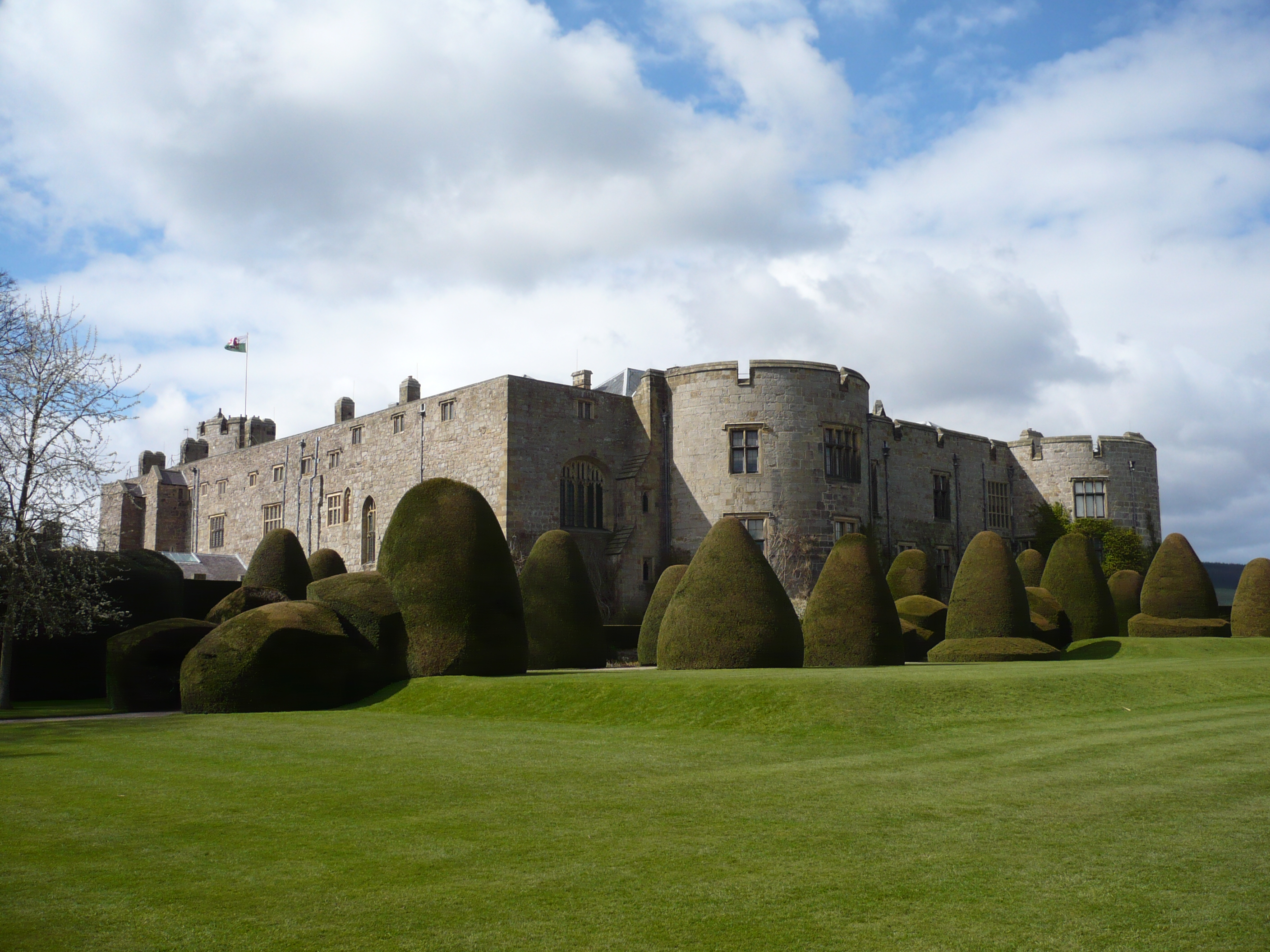
Myddelton divided his time between London and Wales. He purchased Chirk Castle in Denbighshire for £4,800 in 1595 and converted it from a mediaeval fortress to a comfortable Tudor home. Later, he gave it to his son as a wedding present. Other contacts with his home country included the provisions of loans to hundreds of fellow Welsh people. He also funded the publication of religious books in Welsh, including the first portable bible.
Image: Chirk Castle by Prichardson on wikipedia.


 Posts
Posts


